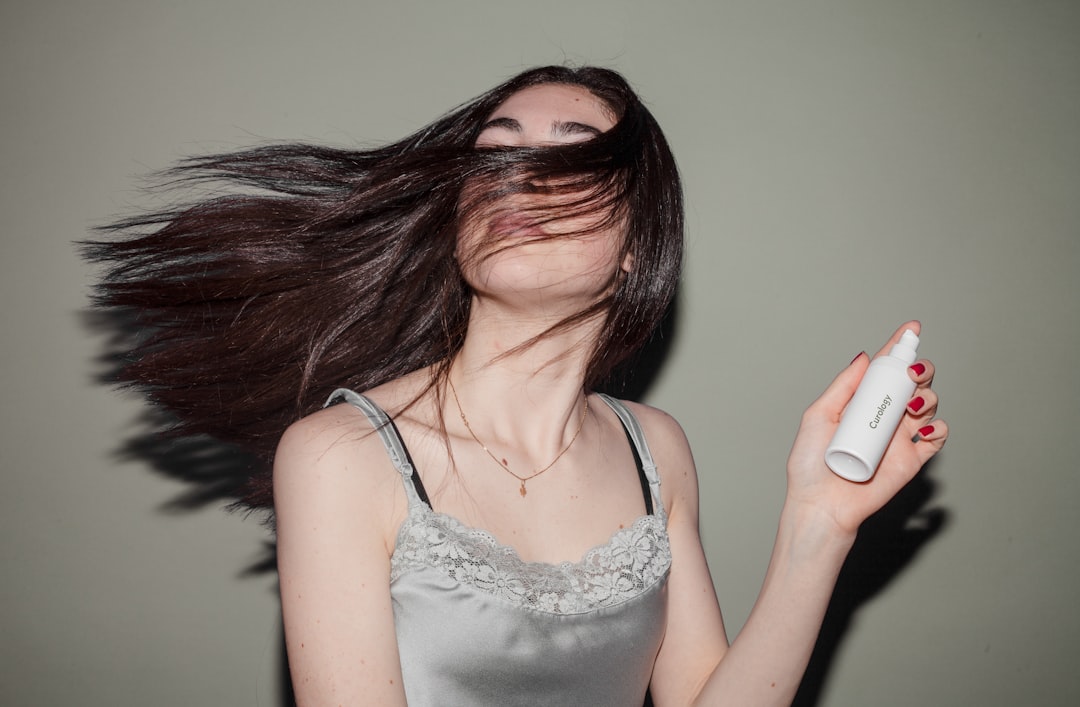
If you are happy with the length of your hair but you desire thicker and fuller locks then hair extensions can help. By choosing the right weight and style of extension you can add thickness to almost any style.
Hair extensions can do the following –
They will add volume to your hair to make it thicker and fuller
Using extensions can make your hair thicker and neater at the tips making for a smoother look
If you suffer from thinning hair then extensions will make your hair appear thicker
Improve your confidence
In order to add thickness to hair with hair extensions you can opt for clip ins, hand tied wefts, nanos and even hair toppers.
When choosing your extensions we would advise to look at extensions between 2 and 2.5 inches longer than your hair so that they can be blended to your hair.
Its also important to ensure a complete colour match. Here at Koko hair we offer a colour match service so you can rest assured that we will ensure that we get you a match for your natural hair colour and no one will be able to tell that your thick, full locks are not your own.
When thinking about which extensions to choose it is all depending on you and your personal circumstances.
Nano and weft hair extensions take more maintenance and looking after as these are semi-permanent and will need to be re fitted every 6 weeks or so to ensure that your hair is not damaged, and they continue to look natural.
Clip in hair extensions are worn as and when required and are taken out at night time. They are less high maintenance and give you glam volume as and when required.
If you are looking for a thicker fuller look, take a look at our hair extensions range and one of our hair experts will be more than happy to have a discussion about what is best for you.
Hair extensions have a rich history dating back to ancient civilizations. Ancient Egyptians utilized wigs and hairpieces to enhance their appearance and denote social status. In ancient Greece, women crafted Hair Extensions from human hair, animal hair, and plant fibers to create intricate hairstyles.
During the Renaissance, wigs and hairpieces gained popularity among European nobility, becoming symbols of wealth and prestige. The 20th century saw a continued rise in hair extension popularity, particularly among Hollywood celebrities who used them to achieve diverse looks. In the 1980s and 1990s, advancements in techniques and materials made hair extensions more accessible to the general public.
Today, hair extensions are a common element in the beauty industry, offering a wide range of options for various hair types and styles. Modern hair extension methods include clip-ins, tape-ins, and sew-ins, providing numerous possibilities for achieving desired looks. These versatile beauty accessories have evolved significantly from their ancient origins and are now used by people of all ages and backgrounds to add length, volume, or color to their hair.
Key Takeaways
Hair extensions have evolved from ancient times to modern trends, with various techniques and materials used throughout history.
When choosing hair extensions, it’s important to consider your hair type and lifestyle to find the best option for you.
The step-by-step process of getting hair extensions installed involves consultation, preparation, installation, and styling.
To maintain the longevity of your hair extensions, proper care and maintenance are essential, including regular washing, brushing, and avoiding heat damage.
Styling tips and tricks can help you rock your new hair extensions, including blending them with your natural hair and experimenting with different hairstyles.
Choosing the Right Hair Extensions for Your Hair Type and Lifestyle
Hair Type Matters
When selecting hair extensions, it’s essential to consider the texture and thickness of your natural hair. If you have fine or thin hair, opt for lighter weight extensions like tape-ins or clip-ins, which can add volume without weighing down your natural hair. On the other hand, if you have thick or coarse hair, sew-in extensions may be a better option for achieving a seamless blend.
Lifestyle and Daily Routine
Your lifestyle and daily routine also play a significant role in choosing the right hair extensions. If you lead an active lifestyle and enjoy sports or exercise, clip-in extensions are an excellent choice, as they can be easily removed before physical activity. Alternatively, if you prefer a low-maintenance option that allows for easy styling, tape-in extensions may be the perfect fit.
Permanent Solutions and Maintenance
If you’re looking for a more permanent solution, sew-in or fusion extensions can provide long-lasting results with proper care and maintenance. Ultimately, the key to choosing the right hair extensions is to consider your individual needs and preferences. By taking into account your hair type, lifestyle, and styling habits, you can select the perfect hair extensions that will enhance your natural beauty and provide you with the confidence to rock any look.
The Step-by-Step Process of Getting Hair Extensions Installed
Getting hair extensions installed is a multi-step process that requires careful consideration and expertise. The first step in the process is to consult with a professional hairstylist who specializes in hair extensions. During the consultation, the stylist will assess your natural hair and discuss your desired look, as well as the best extension options for achieving your goals.
Once you’ve chosen the right type of hair extensions, the installation process can begin. For clip-in extensions, the process is simple and can be done at home without professional assistance. However, for more permanent options such as tape-ins or sew-ins, it’s important to have them installed by a trained professional to ensure a seamless and natural-looking result.
The installation process typically involves sectioning off the natural hair and carefully attaching the extensions using a specialized adhesive or sewing technique. The stylist will then blend the extensions with your natural hair, ensuring a flawless finish that seamlessly integrates with your existing hairstyle. Once the extensions are in place, the stylist will trim and style them to create a polished and cohesive look that complements your individual features.
By following these steps and entrusting the process to a skilled professional, you can achieve stunning results that enhance your natural beauty and provide you with endless styling possibilities.
How to Care for and Maintain Your Hair Extensions for Longevity
Proper care and maintenance are essential for ensuring the longevity and quality of your hair extensions. To keep your extensions looking their best, it’s important to follow a few simple guidelines. First and foremost, it’s crucial to use gentle and sulfate-free shampoos and conditioners that are specifically formulated for use with hair extensions.
These products will help to keep the extensions soft, smooth, and tangle-free without causing damage or breakage. In addition to using the right products, it’s important to brush your hair extensions regularly with a soft-bristle brush to prevent tangling and matting. When brushing, be sure to start at the ends of the hair and work your way up to the roots to avoid putting unnecessary stress on the bonds or wefts.
It’s also important to avoid excessive heat styling and use heat protectant products when using hot tools to prevent damage to the extensions. Another key aspect of maintaining your hair extensions is to protect them while sleeping. To prevent tangling and matting during sleep, it’s recommended to braid or tie your hair in a loose ponytail before bed.
Additionally, using a silk or satin pillowcase can help reduce friction and minimize damage to the extensions while you sleep. By following these simple care and maintenance tips, you can ensure that your hair extensions remain in top condition for an extended period, allowing you to enjoy beautiful, luscious locks day after day.
Styling Tips and Tricks for Rocking Your New Hair Extensions
Once you’ve had your hair extensions installed, it’s time to have fun experimenting with different styles and looks. Whether you’re looking to add length, volume, or color to your natural hair, there are countless styling options available with hair extensions. One popular styling technique is creating effortless waves or curls using a curling iron or wand.
By adding soft waves or curls to your hair extensions, you can achieve a romantic and feminine look that’s perfect for any occasion. Another styling option is creating sleek and straight hairstyles using a flat iron or straightening brush. Straight hair extensions can provide a polished and sophisticated look that’s ideal for professional settings or formal events.
Additionally, you can experiment with different updos and braided styles to showcase the versatility of your new hair extensions. When it comes to color, hair extensions offer endless possibilities for adding highlights, lowlights, or vibrant pops of color without committing to permanent dye. Whether you’re looking to add subtle dimension or make a bold statement, there are plenty of options for customizing your look with colored extensions.
By exploring different styling techniques and experimenting with various looks, you can discover new ways to express your personal style and showcase the beauty of your hair extensions.
The Psychological and Emotional Impact of Hair Extensions on Confidence and Self-Esteem
Enhancing Physical Appearance
Achieving a desired look with hair extensions can provide a significant boost in self-confidence and empowerment. Whether it’s adding length and volume to thin or fine hair or experimenting with new colors and styles, hair extensions can help individuals feel more confident in their appearance and express their unique personality.
Self-Expression and Creativity
Hair extensions can also serve as a form of self-expression and creativity. By experimenting with different looks and styles, individuals can explore new facets of their identity and showcase their individuality through their hair. This creative outlet can be incredibly empowering and uplifting, allowing individuals to feel more confident in expressing themselves authentically.
Restoring Confidence and Normalcy
For individuals experiencing hair loss or thinning due to medical conditions or treatments, hair extensions can provide a sense of normalcy and comfort during a challenging time. The ability to restore fullness and volume to their natural hair can have a profound impact on their emotional well-being and help them feel more like themselves again.
Exploring the Different Types of Hair Extensions: Clip-Ins, Tape-Ins, Sew-Ins, and More
When it comes to choosing the right type of hair extensions, there are several options available to suit different needs and preferences. Clip-in extensions are a popular choice for those looking for a temporary solution that can be easily applied at home without professional assistance. These versatile extensions can be clipped into the natural hair to add length, volume, or color for special occasions or everyday wear.
Tape-in extensions are another popular option that provides a semi-permanent solution for adding length and volume to the natural hair. These extensions are attached using specialized adhesive tape that is lightweight and virtually undetectable when properly applied by a professional stylist. Sew-in extensions, also known as weaves, are a more permanent option that involves braiding the natural hair into cornrows before sewing the extensions onto the braids.
This technique provides long-lasting results with proper care and maintenance, making it an ideal choice for those looking for a seamless blend with their natural hair. In addition to these options, there are also fusion or bonded extensions that use keratin bonds or other adhesives to attach individual strands of extension hair to small sections of natural hair. This technique provides a natural look with minimal visibility of the bonds when applied by an experienced stylist.
Ultimately, the key to choosing the right type of hair extension is considering your individual needs, lifestyle, and desired look. By exploring the different options available, you can find the perfect solution that enhances your natural beauty and provides you with endless styling possibilities.
If you’re considering trying out hair extensions, you might also be interested in learning about the benefits of wearing a wig. Check out this article on 7 Reasons to Wear a Wig to discover how wigs can be a versatile and convenient option for changing up your look.
FAQs
What are hair extensions?
Hair extensions are artificial or natural hair strands that are attached to a person’s existing hair to add length, volume, or color.
What are the different types of hair extensions?
There are several types of hair extensions, including clip-in extensions, tape-in extensions, sew-in extensions, fusion extensions, and micro-link extensions.
How long do hair extensions last?
The lifespan of hair extensions varies depending on the type of extensions and how well they are cared for. Generally, they can last anywhere from 6 weeks to 6 months.
How do I care for hair extensions?
To care for hair extensions, it’s important to use gentle, sulfate-free shampoos and conditioners, avoid excessive heat styling, and brush them gently to prevent tangling.
Can I style my hair with extensions in?
Yes, you can style your hair with extensions in, but it’s important to use heat protectant products and avoid excessive heat to prevent damage to the extensions.
Are hair extensions suitable for all hair types?
Hair extensions can be suitable for most hair types, but it’s important to consult with a professional stylist to determine the best type of extensions for your hair texture and condition.
Hair extensions have gained popularity as a beauty enhancement, offering increased length, volume, and styling options for natural hair. However, the manufacturing and disposal processes of conventional hair extensions pose significant environmental challenges. The use of synthetic materials and chemical treatments in production contributes to pollution and waste within the beauty industry.
As environmental awareness grows among consumers, there is an increasing demand for sustainable and eco-friendly alternatives in the hair extension market. This article examines the environmental impact of traditional hair extensions and presents sustainable options for individuals seeking more environmentally responsible choices.
Key Takeaways
Hair extensions can have a significant environmental impact due to the use of synthetic materials and harsh chemicals in production and maintenance.
Traditional hair extensions contribute to pollution and waste, as well as potential health risks for wearers and workers in the industry.
Sustainable options for hair extensions include using ethically sourced human hair, natural and organic materials, and eco-friendly installation and maintenance methods.
Natural and organic hair extensions offer a more environmentally friendly alternative, as they are made from biodegradable materials and do not contain harmful chemicals.
Ethical sourcing of human hair for extensions is important to ensure fair treatment of donors and workers, as well as to support sustainable practices in the industry.
The Problem with Traditional Hair Extensions
The Problem with Synthetic Materials
Traditional hair extensions are often made from synthetic materials such as plastic or nylon, which are derived from non-renewable resources and can take hundreds of years to decompose. The production of these synthetic materials also involves the use of chemicals and energy-intensive processes, contributing to air and water pollution.
The Harmful Installation and Maintenance Process
Additionally, the installation and maintenance of traditional hair extensions often require the use of harsh chemical adhesives and products, which can further harm the environment.
The Need for Sustainable and Ethical Alternatives
Furthermore, the disposal of synthetic hair extensions adds to the growing problem of plastic waste in landfills and oceans. As consumers become more aware of these environmental issues, there is a growing demand for sustainable alternatives that minimize the negative impact on the planet. On top of that, traditional hair extensions are often produced in factories with poor working conditions and low wages for workers. This unethical production process adds another layer of concern for consumers who are looking to make more ethical choices with their beauty products. As a result, there is a need for more transparent and ethical sourcing practices in the hair extension industry.
Sustainable Options for Hair Extensions
In response to the environmental and ethical concerns surrounding traditional hair extensions, there has been a rise in sustainable options that offer a more eco-friendly and ethical alternative. Sustainable hair extensions are made from natural and organic materials that are biodegradable and renewable, reducing the environmental impact of production and disposal. These sustainable options also prioritize ethical sourcing and fair labor practices, ensuring that workers are treated fairly and paid a living wage.
Furthermore, sustainable hair extensions are designed to minimize the use of harsh chemicals during installation and maintenance, promoting healthier and more eco-friendly practices. By choosing sustainable options for hair extensions, consumers can make a positive impact on the environment while also supporting ethical and transparent supply chains.
Natural and Organic Hair Extensions
Natural and organic hair extensions are a sustainable alternative to traditional synthetic extensions, as they are made from natural materials such as human hair, wool, or plant-based fibers. Human hair extensions, in particular, are a popular choice for those looking for a natural and biodegradable option. Human hair is renewable and can be sourced ethically from donors who are compensated fairly for their contribution.
Additionally, human hair extensions can be styled, colored, and treated just like natural hair, making them a versatile and long-lasting option. Organic hair extensions are another sustainable choice, as they are made from organic materials that are free from synthetic chemicals and pesticides. These extensions are often produced using environmentally friendly processes that minimize the use of water, energy, and harmful substances.
By choosing natural and organic hair extensions, consumers can enjoy the benefits of longer, fuller hair while minimizing their environmental impact.
Human Hair Extensions and Ethical Sourcing
Human hair extensions offer a sustainable and ethical option for those looking to make more conscious choices with their beauty products. When sourced ethically, human hair extensions can support local communities and provide economic opportunities for individuals in developing countries. It is important for consumers to research and choose reputable suppliers who prioritize fair trade practices and ensure that donors are compensated fairly for their hair.
Ethical sourcing also involves transparency in the supply chain, from the collection of the hair to the production of the extensions. By choosing human hair extensions with ethical sourcing practices, consumers can feel confident that their purchase is making a positive impact on the lives of others while minimizing harm to the environment.
Eco-Friendly Hair Extension Installation and Maintenance
Chemical-Free Installation Methods
In addition to choosing sustainable materials for hair extensions, it is important to consider eco-friendly practices for installation and maintenance. Many traditional hair extension methods involve the use of chemical adhesives and products that can be harmful to both the environment and personal health.
Natural and Non-Toxic Alternatives
However, there are eco-friendly alternatives available that prioritize natural and non-toxic ingredients. For example, tape-in extensions use medical-grade adhesive tapes that are gentle on the hair and scalp, eliminating the need for harsh chemicals during installation.
Organic Hair Care for Extensions
Additionally, there are natural and organic hair care products specifically designed for use with extensions, which are free from synthetic chemicals and environmentally harmful ingredients. By choosing eco-friendly installation methods and maintenance products, consumers can ensure that their hair extensions have minimal impact on the environment while promoting healthier practices for themselves.
Making Sustainable Choices for Hair Extensions
As consumers become more conscious of their environmental impact, there is a growing demand for sustainable options in the beauty industry, including hair extensions. By choosing natural and organic materials, prioritizing ethical sourcing practices, and opting for eco-friendly installation and maintenance methods, individuals can make a positive impact on the environment while still enjoying the benefits of longer, fuller hair. It is important for consumers to research and choose reputable suppliers who prioritize sustainability and ethical practices throughout the production process.
By making informed choices with their hair extensions, individuals can support a more sustainable and ethical beauty industry while promoting positive change for the planet. Ultimately, by making sustainable choices for hair extensions, consumers can look good while doing good for the environment.
FAQs
What are the environmental impacts of traditional hair extensions?
Traditional hair extensions are often made from non-biodegradable materials such as synthetic fibers or treated human hair. The production and disposal of these extensions can contribute to plastic pollution and waste in landfills.
How do traditional hair extensions contribute to water pollution?
The production of synthetic hair extensions involves the use of chemicals and dyes, which can leach into waterways during manufacturing. Additionally, the washing and maintenance of hair extensions can release microplastics into the water supply.
What are sustainable options for hair extensions?
Sustainable hair extensions are made from natural, biodegradable materials such as ethically sourced human hair or plant-based fibers. These options have a lower environmental impact and can be composted at the end of their life cycle.
How can consumers reduce the environmental impact of hair extensions?
Consumers can opt for sustainable hair extension options, properly care for their extensions to extend their lifespan, and support brands that prioritize eco-friendly and ethical production practices.
What are some eco-friendly hair extension brands to consider?
There are several eco-friendly hair extension brands that prioritize sustainability, ethical sourcing, and biodegradable materials. Some examples include Great Lengths, HairLoom, and Indique.
When selecting hair extensions to complement your natural hair, several factors should be considered. The texture of the extensions should closely match your natural hair texture. For straight hair, choose straight extensions; for curly or wavy hair, select extensions with a similar pattern.
This ensures a seamless blend between your natural hair and the extensions. Color matching is crucial. The extensions should either match your natural hair color or be easily blendable.
If unsure, consult a professional hairstylist for guidance on selecting the appropriate shade. The length and thickness of the extensions are also important considerations. For those with thin hair, thinner extensions may be preferable to avoid a bulky appearance.
Conversely, individuals with thick hair may benefit from thicker extensions to achieve a natural blend. Careful consideration of these factors – texture, color, length, and thickness – when choosing hair extensions will help achieve a natural and cohesive look that enhances your overall appearance.
Key Takeaways
Choose hair extensions that match your natural hair texture and color for a seamless blend
Prepare your natural hair by washing, conditioning, and detangling before installing extensions
Use color-matching techniques such as balayage or ombre to blend extensions with your natural hair color
Utilize styling techniques like layering and curling to seamlessly blend extensions with your natural hair
Maintain the blended look by regularly washing, conditioning, and styling both your natural hair and extensions
Gradually transition between your natural hair and extensions for a more natural look
Avoid common mistakes such as improper installation, using the wrong color or texture, and neglecting proper maintenance for a seamless blend
Preparing Your Natural Hair for Extensions
Thorough Drying and Detangling
Once your hair is clean and conditioned, it’s essential to thoroughly dry it before adding the extensions. Wet or damp hair can make it difficult for the extensions to adhere properly, leading to a less seamless blend. In addition to washing and drying your hair, detangling and smoothing your natural hair before adding extensions is vital. Use a wide-tooth comb or a detangling brush to gently remove any knots or tangles from your hair.
Smoothing and Finishing Touches
Consider using a smoothing serum or oil to help create a sleek and smooth base for the extensions. By taking the time to properly prepare your natural hair before adding extensions, you can help ensure a seamless blend and a natural-looking result.
Achieving a Seamless Blend
Preparing your natural hair for extensions is an important step in achieving a seamless blend. By washing, conditioning, drying, detangling, and smoothing your natural hair before adding extensions, you can create a clean and healthy base for the extensions to be applied to, leading to a more natural and cohesive look.
Blending the Extensions with Your Natural Hair Color
One of the most important aspects of seamlessly blending hair extensions with your natural hair is ensuring that the color of the extensions closely matches your own hair color. If you’re unable to find extensions that perfectly match your natural color, consider purchasing extensions that are slightly lighter and having them dyed to match your hair exactly. This will help ensure that the extensions blend seamlessly with your natural hair, creating a cohesive and natural look.
In addition to matching the color of the extensions to your natural hair, consider adding highlights or lowlights to the extensions to create dimension and depth. This can help further blend the extensions with your natural hair color, creating a more natural and seamless result. If you’re unsure about how to achieve this, consider consulting with a professional hairstylist who can help you select the right color and technique for seamlessly blending the extensions with your natural hair.
When blending hair extensions with your natural hair color, it’s important to take the time to ensure that the color of the extensions closely matches your own hair, or can be easily dyed to match. Additionally, consider adding highlights or lowlights to create dimension and depth, further enhancing the seamless blend between the extensions and your natural hair.
Styling Techniques to Seamlessly Blend Extensions
Once you’ve added extensions to your natural hair, there are several styling techniques you can use to seamlessly blend the two together. One effective technique is to curl or wave both your natural hair and the extensions together using a curling iron or wand. This can help create a cohesive and blended look by blending the two textures together.
Additionally, consider using a straightening iron or flat iron to smooth both your natural hair and the extensions, creating a sleek and seamless result. Another styling technique to seamlessly blend extensions with your natural hair is to create braids or twists that incorporate both your natural hair and the extensions. This can help blend the two textures together while also creating a unique and stylish look.
Finally, consider using styling products such as texturizing spray or dry shampoo to add volume and texture to both your natural hair and the extensions, helping them blend seamlessly together. By using styling techniques such as curling or waving both your natural hair and the extensions, incorporating braids or twists that blend the two textures together, and using styling products to add volume and texture, you can achieve a seamless blend between your natural hair and extensions.
Maintaining the Blended Look
Once you’ve achieved a seamless blend between your natural hair and extensions, it’s important to maintain this look by taking proper care of both your natural hair and the extensions. Start by using gentle and nourishing shampoos and conditioners that are suitable for both your natural hair and the extensions. This will help keep both your natural hair and the extensions healthy and looking their best.
In addition to using the right products, it’s important to avoid excessive heat styling or over-styling, as this can cause damage to both your natural hair and the extensions. When using heat styling tools such as curling irons or flat irons, be sure to use a heat protectant spray to minimize damage. Finally, consider scheduling regular trims with a professional hairstylist to keep both your natural hair and the extensions looking healthy and well-maintained.
Maintaining a blended look between your natural hair and extensions requires using gentle and nourishing products, avoiding excessive heat styling, and scheduling regular trims with a professional hairstylist. By taking these steps, you can help ensure that both your natural hair and the extensions continue to blend seamlessly together.
Tips for a Natural and Seamless Transition Between Your Natural Hair and Extensions
Creating a Natural Look
One tip for achieving this transition is to avoid placing the extensions too close to the roots of your natural hair. Instead, leave a small gap between the roots and where the extensions are applied. This will help create a more natural look and prevent damage to your natural hair.
Blending the Ends
Another tip for achieving a seamless transition is to carefully blend the ends of your natural hair with the ends of the extensions. This can be done by using thinning shears or texturizing scissors to create soft layers that seamlessly blend the two textures together.
Styling for a Cohesive Look
Additionally, consider using styling products such as serums or oils to smooth any visible lines between your natural hair and the extensions, creating a more cohesive look. Finally, consider experimenting with different hairstyles that incorporate both your natural hair and the extensions in creative ways. This can help further blend the two textures together while also allowing you to showcase the versatility of your new blended look.
By following these tips for achieving a natural and seamless transition between your natural hair and extensions, you can create a cohesive and blended look that enhances your overall appearance.
Common Mistakes to Avoid When Blending Hair Extensions with Your Natural Hair
When blending hair extensions with your natural hair, there are several common mistakes that should be avoided in order to achieve a seamless result. One common mistake is failing to properly match the texture of the extensions with your natural hair. If the textures do not match, it can be difficult to achieve a seamless blend.
Another mistake is choosing extensions that are too long or too thick for your natural hair, which can lead to an unnatural or bulky look. Another common mistake is failing to properly prepare your natural hair before adding extensions. This can include not washing or drying your hair properly, which can make it difficult for the extensions to adhere seamlessly.
Additionally, failing to properly maintain both your natural hair and the extensions can lead to a less seamless blend over time. By avoiding these common mistakes when blending hair extensions with your natural hair, you can achieve a more seamless and natural result that enhances your overall appearance. In conclusion, achieving a seamless blend between your natural hair and extensions requires careful consideration of factors such as texture, color, length, and thickness when choosing the right extensions.
Properly preparing your natural hair before adding extensions is essential for achieving a seamless result, as is carefully blending the color of the extensions with your own hair. Using styling techniques such as curling or waving both textures together can help create a cohesive look, while maintaining this blended look requires using gentle products and avoiding excessive heat styling. By following tips for achieving a seamless transition between your natural hair and extensions while avoiding common mistakes, you can achieve a beautiful blended look that enhances your overall appearance.
FAQs
What are hair extensions?
Hair extensions are artificial or natural hair strands that are attached to a person’s natural hair to add length, volume, or color.
How do you blend hair extensions with natural hair?
To blend hair extensions seamlessly with natural hair, it’s important to match the color and texture of the extensions to your natural hair. Additionally, proper placement and blending techniques such as layering and styling can help achieve a seamless look.
What are the different types of hair extensions?
There are various types of hair extensions including clip-in, tape-in, sew-in, fusion, and micro-link extensions. Each type has its own application method and maintenance requirements.
How do you choose the right hair extensions for your natural hair?
When choosing hair extensions, consider factors such as the color, texture, length, and application method that will best complement your natural hair. It’s also important to consider the quality of the hair extensions to ensure a seamless blend.
How do you care for blended hair extensions?
Proper care for blended hair extensions includes using sulfate-free shampoos and conditioners, avoiding excessive heat styling, and brushing the hair gently to prevent tangling. Regular maintenance and touch-ups may also be necessary to keep the blend looking seamless.
When it comes to hair extensions, there are several options to choose from, each with its own unique benefits and considerations. Clip-in extensions are a popular choice for those looking for a temporary option that can be easily removed and reattached. These extensions come in a variety of lengths and can be matched to your natural hair color for a seamless blend.
Tape-in extensions are another option that involves attaching wefts of hair to small sections of your natural hair using a special adhesive. This method provides a more natural look and can last for several weeks with proper care. Fusion or bonded extensions are attached to the natural hair using a keratin bond and can last for several months.
This method provides a more permanent solution for those looking for long-term wear. Finally, sew-in or weave extensions involve braiding the natural hair and sewing wefts of hair into the braids for a secure and long-lasting result. Another consideration when choosing hair extensions is the type of hair used.
Remy human hair extensions are considered the highest quality as they are made from 100% human hair with the cuticles intact and aligned in the same direction. This results in a natural look and feel that can be styled and treated just like your own hair. Synthetic hair extensions are a more affordable option and come in a variety of textures and colors, but may not have the same longevity or versatility as human hair extensions.
Understanding the different options available will help you make an informed decision when choosing the right hair extensions for your needs.
Key Takeaways
Hair extension options include clip-in, tape-in, sew-in, fusion, and micro-link extensions
Consider your natural hair color and texture when choosing hair extensions to ensure a seamless blend
Match the hair extensions to your skin tone to create a natural and flattering look
Choose the right texture for your hair extensions based on your natural hair texture for a cohesive look
Explore different color options for hair extensions to add dimension and depth to your hair
Consult with a professional stylist to get personalized advice and recommendations for your hair extensions
Proper maintenance and care are essential for keeping your hair extensions looking and feeling their best
Considering Your Natural Hair Colour and Texture
Color Matching for a Natural Look
Matching the color of the extensions to your natural hair is crucial for achieving a natural look. Whether you have blonde, brunette, red, or black hair, there are a variety of shades available to match your specific color.
Considering Undertones for a Perfect Match
It’s also important to consider the undertones of your natural hair color, whether it’s warm, cool, or neutral, to ensure a perfect match. If you’re unsure about the best shade for your hair, consulting with a professional stylist can help you find the perfect match.
Texture Matters for a Seamless Blend
In addition to color, it’s essential to consider the texture of your natural hair when choosing extensions. Whether you have straight, wavy, curly, or kinky hair, there are extensions available to match your specific texture. Matching the texture of the extensions to your natural hair will help create a seamless blend and ensure that the extensions look natural and undetectable.
Matching the Hair Extensions to Your Skin Tone
In addition to considering your natural hair color and texture, it’s important to take into account your skin tone when choosing hair extensions. The right hair color can enhance your natural features and complement your skin tone, while the wrong shade can look unnatural and unflattering. If you have warm undertones in your skin, opting for hair extensions with warm tones such as golden blonde or rich brown can help create a harmonious look.
On the other hand, if you have cool undertones in your skin, choosing hair extensions with cool tones such as ash blonde or cool brown can help create a flattering result. It’s also important to consider the contrast between your natural hair color and your skin tone when selecting hair extensions. If you have a fair complexion, choosing extensions that are only a few shades lighter or darker than your natural hair can create a subtle and natural look.
For those with a deeper skin tone, opting for extensions that provide more contrast can create a striking and eye-catching result. Taking into account your skin tone when choosing hair extensions will help you achieve a cohesive and flattering overall look.
Choosing the Right Texture for Your Hair Extensions
When it comes to choosing the right texture for your hair extensions, it’s important to consider both your natural hair texture and the look you want to achieve. If you have straight hair and want to add volume or length, opting for straight extensions can help create a seamless blend. For those with wavy or curly hair, choosing extensions with a similar texture can help create a natural look that blends effortlessly with your natural hair.
It’s also important to consider the styling options you want to have with your extensions. If you want the flexibility to straighten, curl, or style your extensions, choosing a texture that can be heat-styled is essential. Another consideration when choosing the right texture for your hair extensions is the level of maintenance you’re willing to commit to.
While straight extensions may require less maintenance and styling, curly or kinky textures may require more care to maintain their shape and definition. Understanding your natural hair texture and the look you want to achieve will help you choose the right texture for your hair extensions that complements your individual style and needs.
Exploring Colour Options for Hair Extensions
When exploring color options for hair extensions, there are several factors to consider to achieve a seamless and natural look. Whether you want to add highlights, lowlights, or a completely new color, there are endless possibilities to enhance your natural hair with extensions. If you’re looking to add dimension and depth to your hair, choosing extensions that are a few shades lighter or darker than your natural color can create a subtle and blended result.
For those looking for a more dramatic change, opting for bold colors such as vibrant reds or deep blues can create a striking and eye-catching look. It’s also important to consider the placement of the color within the extensions. Whether you want an ombre effect, balayage highlights, or all-over color, working with a professional stylist can help you achieve the desired result.
Additionally, considering the maintenance and upkeep of the color is essential when exploring color options for hair extensions. Choosing a color that complements your skin tone and lifestyle will ensure that you’re able to maintain the look with ease. Exploring different color options for hair extensions will allow you to customize your look and express your individual style with confidence.
Consulting with a Professional Stylist
Personalized Recommendations
A stylist can provide guidance on the maintenance and care required for different types of extensions, as well as offer styling tips to achieve the desired look. They can also customize the color and placement of the extensions to achieve a natural and flattering result.
Customized Look
Whether you’re looking for added length, volume, or color, a stylist can work with you to create a customized look that enhances your natural beauty. Their expertise and experience will ensure that you achieve a seamless blend that looks undetectable and complements your individual style.
Expertise Matters
By consulting with a professional stylist, you can rest assured that you will achieve a natural-looking result that meets your expectations. Their expertise and experience will guarantee a flawless finish that makes you feel confident and beautiful.
Maintenance and Care for Your Hair Extensions
Once you’ve chosen the right hair extensions, proper maintenance and care are essential to ensure their longevity and keep them looking their best. Depending on the type of extensions you choose, there are specific care instructions to follow to keep them in optimal condition. For clip-in extensions, it’s important to remove them before sleeping or showering and store them properly to prevent tangling or damage.
Tape-in and fusion extensions require regular maintenance appointments to ensure that they remain securely attached and well-maintained. In addition to regular maintenance appointments, using the right products and tools is crucial for caring for your extensions. Using sulfate-free shampoos and conditioners will help preserve the integrity of the hair and prevent drying out or damage.
It’s also important to use heat protectant products when styling with hot tools to prevent heat damage. Brushing your extensions gently with a loop brush or wide-tooth comb will help prevent tangling and breakage. Overall, proper maintenance and care for your hair extensions will ensure that they remain in optimal condition and continue to enhance your natural beauty for an extended period of time.
Following these care tips will help you enjoy beautiful and healthy-looking hair extensions that seamlessly blend with your natural hair.
FAQs
What factors should I consider when choosing the right colour for my hair extensions?
When choosing the right colour for your hair extensions, it’s important to consider your natural hair colour, as well as any highlights or lowlights. You should also take into account the undertones of your hair, such as warm or cool tones, to ensure a seamless blend with the extensions.
How can I determine the right texture for my hair extensions?
The texture of your hair extensions should complement the natural texture of your hair. If you have straight hair, opt for straight extensions, while those with wavy or curly hair should choose extensions with a similar texture. This will help the extensions blend seamlessly with your natural hair.
What are some tips for choosing the right colour and texture for my hair extensions?
– Consider seeking professional advice from a hairstylist or colourist to help you choose the right colour and texture for your hair extensions.
– Take into account the length and style of your natural hair when selecting the colour and texture of your extensions.
– If you’re unsure about the best colour or texture for your hair extensions, consider purchasing a small sample or swatch to test before committing to a full set.
Hair extensions have gained significant popularity in Hollywood in recent years. Celebrities frequently alter their hairstyles for various events, roles, and personal preferences, with extensions serving as a crucial tool for achieving diverse looks. The rise of social media has intensified the focus on celebrity appearances, creating an expectation for flawless presentation at all times.
Skilled hairstylists utilize high-quality extensions to transform celebrity looks rapidly, allowing for experimentation with different lengths, colors, and styles. The increasing demand for hair extensions in Hollywood has spurred the development of innovative application and maintenance techniques. Celebrities often lead these trends, influencing what is considered fashionable in the hair extension industry.
This has made hair extensions more accessible to the general public, with many individuals seeking to replicate celebrity hairstyles. Extensions are now widely used for various purposes, including adding volume to thin hair, creating dramatic looks for special occasions, and enhancing natural beauty.
Key Takeaways
Hollywood has seen a rise in the use of hair extensions, with celebrities using them to achieve various hair looks for red carpet events and everyday wear.
The most popular types of hair extensions among celebrities include tape-in, clip-in, and sew-in extensions, which offer versatility and natural-looking results.
Celebrities maintain and care for their hair extensions by using sulfate-free shampoos, avoiding heat styling, and getting regular maintenance appointments with their hairstylists.
The secret behind celebrities’ seamless hair extension blends lies in the expertise of their hairstylists, who use advanced techniques and high-quality extensions to achieve a natural look.
Celebrity stylists recommend achieving natural-looking hair extensions by choosing extensions that match the texture and color of the natural hair, and blending them seamlessly with the help of a professional.
When wearing hair extensions like a celebrity, it’s important to follow dos such as investing in high-quality extensions and getting them professionally installed, while avoiding don’ts like neglecting maintenance and using excessive heat styling.
To choose the right hair extensions for your hair type and style, consider factors such as the texture, color, and length of your natural hair, and consult with a professional hairstylist for personalized recommendations.
The Most Popular Types of Hair Extensions Among Celebrities
Tape-In Extensions: The Ultimate Hair Solution
Tape-in extensions are a popular choice among celebrities due to their versatility and natural appearance. These extensions are applied using a strong adhesive that is virtually undetectable when properly installed. They are favored for their ability to add length and volume without causing damage to the natural hair.
Clip-In Extensions: Convenience at Its Best
Clip-in extensions are another popular option among celebrities. They can be easily attached and removed at home, making them a convenient choice for those who frequently change their hairstyles for different events and roles.
Sew-In and Fusion Extensions: Durable and Long-Lasting
Celebrities also often opt for sew-in extensions, which are applied by braiding the natural hair and sewing the extensions into the braids. This method is favored for its durability and ability to withstand heat styling and rigorous activities. Fusion or bonded extensions are another popular choice, providing a seamless and natural look by bonding small sections of hair with keratin or adhesive. These extensions are often favored for their ability to blend seamlessly with the natural hair and create a long-lasting result.
How Celebrities Maintain and Care for Their Hair Extensions
Maintaining and caring for hair extensions is essential for achieving a natural and flawless look, and celebrities are no exception to this rule. Many celebrities rely on their hairstylists to provide them with guidance on how to properly care for their extensions, as well as using high-quality products that are specifically designed for use with extensions. Regular maintenance appointments with a skilled stylist are also crucial for keeping extensions looking their best, as they can help to prevent tangling, breakage, and other issues that can arise from daily wear and tear.
In addition to regular maintenance appointments, celebrities also take extra precautions to protect their extensions from damage. This includes using heat protectant products when styling with hot tools, avoiding harsh chemicals and dyes that can cause damage to the extensions, and being mindful of how they brush and style their hair to prevent tangling and breakage. Celebrities also often opt for high-quality human hair extensions, as these can be styled and treated just like natural hair, making it easier to maintain a seamless and natural look.
The Secret Behind Celebrities’ Seamless Hair Extension Blends
One of the key factors in achieving a flawless look with hair extensions is ensuring that they blend seamlessly with the natural hair. Celebrities often rely on skilled hairstylists who are experienced in creating natural-looking blends that are virtually undetectable. This involves carefully selecting extensions that closely match the color, texture, and length of the natural hair, as well as using advanced application techniques that ensure a seamless transition between the natural hair and the extensions.
In addition to selecting the right type of extensions and applying them with precision, celebrities also often opt for custom blending techniques that involve cutting and styling the extensions to create a perfect match with their natural hair. This can involve layering the extensions to create a natural-looking flow, as well as using advanced cutting techniques to blend the extensions with the natural hair. By taking these extra steps to ensure a seamless blend, celebrities are able to achieve a flawless look that is indistinguishable from their natural hair.
Celebrity Stylists’ Tips for Achieving Natural-Looking Hair Extensions
Celebrity hairstylists play a crucial role in helping their clients achieve natural-looking hair extensions that enhance their overall appearance. One of the key tips that stylists often emphasize is the importance of selecting high-quality human hair extensions that closely match the client’s natural hair color, texture, and length. This ensures that the extensions will blend seamlessly with the natural hair and create a flawless result.
Another important tip from celebrity stylists is to invest in professional application techniques that are tailored to the client’s specific needs. This can involve using advanced methods such as hand-tied wefts or custom blending techniques that create a natural flow and movement in the hair. By working with a skilled stylist who has experience in creating natural-looking blends, clients can achieve a result that is virtually undetectable and enhances their overall appearance.
The Dos and Don’ts of Wearing Hair Extensions like a Celebrity
Invest in High-Quality Hair Extensions
When it comes to achieving a flawless look with hair extensions, one of the most important dos is to invest in high-quality human hair extensions that closely match the color, texture, and length of your natural hair. This ensures that the extensions will blend seamlessly with your natural hair, creating a flawless result that enhances your overall appearance.
Work with a Skilled Hairstylist
Another crucial do is to work with a skilled hairstylist who has experience in creating natural-looking blends that are virtually undetectable. This involves selecting the right type of extensions and applying them with precision, as well as using advanced cutting and blending techniques to create a seamless transition between your natural hair and the extensions. By following these dos and working with a skilled stylist, anyone can achieve a flawless look with hair extensions that rivals those of their favorite celebrities.
Avoid Common Mistakes
On the other hand, there are also several don’ts that should be avoided when wearing hair extensions. One of the key don’ts is to neglect proper maintenance and care for the extensions, as this can lead to tangling, breakage, and other issues that can detract from the overall appearance. It’s important to follow the guidance of a skilled stylist and use high-quality products that are specifically designed for use with extensions in order to keep them looking their best.
How to Choose the Right Hair Extensions for Your Hair Type and Style
Choosing the right hair extensions for your specific hair type and style is essential for achieving a flawless result that enhances your overall appearance. One of the key factors to consider when selecting hair extensions is the type of extension that will best suit your needs. For example, if you have fine or thin hair, tape-in or clip-in extensions may be a suitable option for adding volume without causing damage to the natural hair.
On the other hand, if you have thick or coarse hair, sew-in or fusion extensions may be a better choice for creating a seamless blend. In addition to considering your specific hair type, it’s also important to think about your desired style when choosing hair extensions. For example, if you’re looking to add length and volume for a special event or everyday wear, clip-in or tape-in extensions may be a convenient option that can be easily attached and removed at home.
On the other hand, if you’re looking for a long-lasting result that can withstand heat styling and rigorous activities, sew-in or fusion extensions may be a better choice for achieving your desired style. In conclusion, the rise of hair extensions in Hollywood has led to an increased demand for high-quality products and advanced application techniques that can help anyone achieve a flawless look. By following the guidance of celebrity stylists and investing in high-quality human hair extensions that closely match your natural hair color, texture, and length, anyone can achieve a result that rivals those of their favorite celebrities.
With proper maintenance and care, as well as working with a skilled stylist who has experience in creating natural-looking blends, anyone can achieve a flawless look with hair extensions that enhances their overall appearance.
FAQs
What are hair extensions?
Hair extensions are artificial or natural hair strands that are attached to a person’s existing hair to add length, volume, or color.
How do celebrities use hair extensions?
Celebrities use hair extensions to quickly change their hairstyle for red carpet events, performances, or photo shoots. They can also use them to protect their natural hair from damage caused by frequent styling.
What are the different types of hair extensions?
There are several types of hair extensions, including clip-in extensions, tape-in extensions, sew-in extensions, and fusion extensions. Each type has its own method of application and maintenance.
How do celebrities maintain their hair extensions?
Celebrities maintain their hair extensions by using high-quality products, avoiding excessive heat styling, and getting regular maintenance appointments with their hairstylists.
Do hair extensions damage natural hair?
When applied and maintained properly, hair extensions should not damage natural hair. However, improper application or neglecting proper maintenance can lead to damage.
Can anyone get hair extensions?
Most people can get hair extensions, but it’s important to consult with a professional hairstylist to determine the best type of extensions for your hair type and lifestyle.
How long do hair extensions last?
The lifespan of hair extensions varies depending on the type of extensions and how well they are maintained. Generally, they can last anywhere from a few weeks to several months.
When selecting hair extensions for travel, several factors should be considered. Low-maintenance and easily styled options are preferable for on-the-go use. Clip-in extensions are popular among travelers due to their ease of removal and reattachment, requiring minimal styling.
Tape-in extensions offer another suitable option, being lightweight, comfortable, and easily styled like natural hair. For those seeking semi-permanent solutions, fusion or micro-link extensions can be considered, though they may require more maintenance during travel. The length and texture of extensions should also be evaluated based on travel needs.
Shorter extensions may be more manageable for outdoor activities or water-based pursuits. In humid climates, choosing extensions with a texture that withstands such conditions is advisable. The ideal type of extensions for travel ultimately depends on personal preferences and the specific nature of the trip.
When deciding on hair extensions for travel, it is crucial to consider maintenance requirements and styling needs while away from home. Clip-in extensions remain a popular choice due to their versatility and low maintenance. Tape-in extensions offer comfort and ease of styling, similar to natural hair.
Fusion or micro-link extensions provide a semi-permanent option but may require more upkeep during travel. The length and texture of extensions should align with travel plans and destinations. Shorter extensions may be more practical for outdoor activities or water-based environments.
For travel to humid climates, selecting extensions with appropriate texture is important for maintaining appearance. Ultimately, the choice of hair extensions for travel should be based on individual preferences and the specific requirements of the trip.
Key Takeaways
Clip-in extensions are the most travel-friendly option for temporary hair transformations
Use a breathable storage bag or box to keep your extensions safe and tangle-free while traveling
Regularly brush and detangle your extensions to prevent matting and tangling while on the go
Opt for low-maintenance hairstyles like braids or ponytails to keep your extensions looking fresh during travel
Use a UV protectant spray and wear a hat to shield your extensions from sun damage while on vacation
Packing and Storing Your Hair Extensions
Packing Your Hair Extensions
If you’re traveling with clip-in extensions, consider using a hanger or special storage pouch to keep them organized and tangle-free. For tape-in or fusion extensions, it’s best to pack them in a flat, secure container to avoid any bending or kinking.
Storing Your Hair Extensions on the Go
When not in use, be sure to store your extensions in a cool, dry place away from direct sunlight and moisture. If you’re staying in a hotel or rental property, consider hanging your extensions in the bathroom or closet using a hanger or hook to keep them safe and out of the way.
Tips for Traveling with Hair Extensions
By taking these simple steps to pack and store your hair extensions properly, you can ensure that they stay looking their best throughout your travels. Remember to use a protective case or bag, pack them securely, and store them in a cool, dry place to keep them in top condition.
Tips for Maintaining Your Extensions while Traveling
Maintaining your hair extensions while traveling requires some extra care and attention, but with the right tips and tricks, it can be easily managed. One of the most important things you can do is to brush your extensions regularly with a gentle detangling brush or wide-tooth comb. This will help prevent tangling and matting, which can be especially common during travel.
Additionally, be sure to use a heat protectant spray when styling your extensions with hot tools, and avoid excessive heat or styling products whenever possible. Another key tip for maintaining your extensions while on the go is to wash them regularly with a gentle shampoo and conditioner. This will help keep them clean and free from buildup, which can weigh them down and cause damage over time.
When washing your extensions, be sure to handle them gently and avoid rubbing or twisting, as this can cause tangling and breakage. Finally, consider using a leave-in conditioner or hair oil to keep your extensions hydrated and healthy throughout your travels. Maintaining your hair extensions while traveling requires some extra care and attention, but with the right tips and tricks, it can be easily managed.
One of the most important things you can do is to brush your extensions regularly with a gentle detangling brush or wide-tooth comb. This will help prevent tangling and matting, which can be especially common during travel. Additionally, be sure to use a heat protectant spray when styling your extensions with hot tools, and avoid excessive heat or styling products whenever possible.
Another key tip for maintaining your extensions while on the go is to wash them regularly with a gentle shampoo and conditioner. This will help keep them clean and free from buildup, which can weigh them down and cause damage over time. When washing your extensions, be sure to handle them gently and avoid rubbing or twisting, as this can cause tangling and breakage.
Finally, consider using a leave-in conditioner or hair oil to keep your extensions hydrated and healthy throughout your travels.
Styling Your Hair Extensions on the Go
Styling your hair extensions while traveling can be both fun and challenging, but with a few simple techniques, you can achieve great results on the go. One of the easiest ways to style your extensions while traveling is by using heatless styling methods such as braids, buns, or twists. These styles not only look great but also help protect your extensions from heat damage and excessive styling.
Additionally, consider using accessories such as headbands, scarves, or hats to add flair to your look without requiring much effort. If you do need to use hot tools to style your extensions while traveling, be sure to use a heat protectant spray beforehand to minimize damage. Additionally, consider investing in travel-sized styling tools such as a mini flat iron or curling wand that are easy to pack and use on the go.
Finally, don’t forget to bring along any necessary styling products such as hairspray, mousse, or texture spray to help achieve your desired look while traveling. Styling your hair extensions while traveling can be both fun and challenging, but with a few simple techniques, you can achieve great results on the go. One of the easiest ways to style your extensions while traveling is by using heatless styling methods such as braids, buns, or twists.
These styles not only look great but also help protect your extensions from heat damage and excessive styling. Additionally, consider using accessories such as headbands, scarves, or hats to add flair to your look without requiring much effort. If you do need to use hot tools to style your extensions while traveling, be sure to use a heat protectant spray beforehand to minimize damage.
Additionally, consider investing in travel-sized styling tools such as a mini flat iron or curling wand that are easy to pack and use on the go. Finally, don’t forget to bring along any necessary styling products such as hairspray, mousse, or texture spray to help achieve your desired look while traveling.
Protecting Your Extensions from Sun, Salt, and Chlorine
Protecting your hair extensions from sun, salt, and chlorine is essential when traveling to beach destinations or spending time outdoors. To shield your extensions from sun damage, consider wearing a hat or scarf when spending extended periods in direct sunlight. Additionally, using a UV protectant spray on your extensions can help prevent fading and dryness caused by sun exposure.
When it comes to saltwater and chlorine exposure, it’s important to rinse your extensions thoroughly with fresh water after swimming in the ocean or pool to remove any harmful residues. In addition to protective measures while outdoors, it’s also important to use hydrating products such as leave-in conditioners or hair oils to keep your extensions moisturized and healthy during travel. These products can help combat dryness caused by sun exposure and saltwater while keeping your extensions looking their best throughout your trip.
Protecting your hair extensions from sun, salt, and chlorine is essential when traveling to beach destinations or spending time outdoors. To shield your extensions from sun damage, consider wearing a hat or scarf when spending extended periods in direct sunlight. Additionally, using a UV protectant spray on your extensions can help prevent fading and dryness caused by sun exposure.
When it comes to saltwater and chlorine exposure, it’s important to rinse your extensions thoroughly with fresh water after swimming in the ocean or pool to remove any harmful residues. In addition to protective measures while outdoors, it’s also important to use hydrating products such as leave-in conditioners or hair oils to keep your extensions moisturized and healthy during travel. These products can help combat dryness caused by sun exposure and saltwater while keeping your extensions looking their best throughout your trip.
Dealing with Airport Security and Traveling with Hair Extensions
Informing Security Personnel
When going through airport security with clip-in or tape-in extensions, it’s essential to inform security personnel about them before going through the scanner. This will help prevent any unnecessary delays or issues during the screening process.
Carrying Documentation
If you’re traveling with fusion or micro-link extensions that may set off metal detectors at security checkpoints, it’s best to carry a note from your stylist explaining the nature of your extensions. Additionally, being prepared with any necessary documentation such as receipts or packaging for your extensions can help ease any concerns from security personnel.
International Travel Considerations
When traveling internationally with hair extensions, it’s also important to familiarize yourself with any specific regulations or restrictions regarding hair products in your destination country. By taking these simple steps before traveling with hair extensions, you can ensure a smooth experience through airport security checkpoints.
Finding a Reliable Salon for Extension Maintenance while Traveling
Finding a reliable salon for extension maintenance while traveling is essential for keeping your hair looking its best throughout your trip. Before embarking on your travels, research salons at your destination that specialize in extension services and have positive reviews from previous clients. Look for salons that offer services such as extension re-taping or re-bonding if you have tape-in or fusion extensions that may require maintenance during your trip.
When visiting a new salon for extension maintenance while traveling, be sure to communicate clearly with the stylist about the type of extensions you have and any specific care instructions they may require. Additionally, ask about their experience working with extensions and inquire about their process for maintaining them before booking an appointment. By taking these steps before traveling, you can ensure that you find a reliable salon for extension maintenance that will keep your hair looking fabulous throughout your trip.
Finding a reliable salon for extension maintenance while traveling is essential for keeping your hair looking its best throughout your trip. Before embarking on your travels, research salons at your destination that specialize in extension services and have positive reviews from previous clients. Look for salons that offer services such as extension re-taping or re-bonding if you have tape-in or fusion extensions that may require maintenance during your trip.
When visiting a new salon for extension maintenance while traveling, be sure to communicate clearly with the stylist about the type of extensions you have and any specific care instructions they may require. Additionally, ask about their experience working with extensions and inquire about their process for maintaining them before booking an appointment. By taking these steps before traveling, you can ensure that you find a reliable salon for extension maintenance that will keep your hair looking fabulous throughout your trip.
FAQs
What are the do’s of traveling with hair extensions?
Do pack a gentle shampoo and conditioner to keep your hair extensions clean and well-maintained during your travels.
Do bring a wide-tooth comb or a special hair extension brush to detangle your hair extensions gently.
Do consider using a silk or satin pillowcase to prevent friction and tangling while sleeping during your travels.
Do research and follow the TSA guidelines for carrying hair care products and styling tools in your carry-on luggage.
What are the don’ts of traveling with hair extensions?
Don’t forget to check the weather and climate of your travel destination to prepare your hair extensions for the conditions.
Don’t neglect to secure your hair extensions properly when swimming or participating in water activities during your travels.
Don’t use hot styling tools excessively on your hair extensions while traveling, as this can cause damage and dryness.
Don’t skip regular maintenance and care routines for your hair extensions while on the go, as neglect can lead to tangling and matting.
Thinning hair is a prevalent condition affecting both males and females, with significant implications for self-esteem. Multiple factors contribute to hair thinning, including genetic predisposition, hormonal fluctuations, stress, nutritional deficiencies, and certain medical conditions. Genetic factors play a predominant role, with androgenetic alopecia (male and female pattern baldness) being the most common form of hair loss.
Hormonal changes associated with pregnancy, menopause, or thyroid disorders can also result in hair thinning. Chronic stress, inadequate nutrition, and deficiencies in essential vitamins and minerals are additional contributing factors. Medical conditions such as alopecia areata (an autoimmune disorder) and trichotillomania (compulsive hair pulling) can also lead to hair thinning.
The psychological impact of thinning hair can be substantial, often resulting in diminished self-esteem and confidence. Individuals experiencing hair loss may perceive themselves as less attractive, leading to negative self-image. This can manifest as social anxiety and avoidance behaviors, potentially affecting both personal and professional relationships.
Addressing the underlying causes of hair thinning and exploring appropriate solutions is crucial for improving self-esteem and overall well-being. It is important to note that various treatment options are available for thinning hair, ranging from topical medications and oral supplements to surgical procedures and non-surgical hair replacement systems. Consulting with a healthcare professional or trichologist can help determine the most suitable approach based on individual circumstances and the underlying cause of hair thinning.
Key Takeaways
Thinning hair can be caused by various factors such as genetics, hormonal changes, and stress, and can have a significant impact on self-esteem.
Hair extensions can provide a non-invasive and effective solution for thinning hair, boosting volume and confidence.
Different types of hair extensions, including clip-ins, tape-ins, and sew-in extensions, offer various benefits and suitability for different hair types.
When choosing the right hair extensions for thinning hair, factors such as hair texture, lifestyle, and budget should be considered.
Proper maintenance and care, such as gentle washing, avoiding heat damage, and regular maintenance appointments, are essential for the longevity of hair extensions.
Alternative solutions for thinning hair, such as scalp treatments, hair growth products, and wigs, can provide additional options for those seeking to address their hair concerns.
Seeking professional advice and consultation from a hairstylist or trichologist can help individuals make informed decisions about thinning hair and hair extension options.
The Benefits of Hair Extensions for Thinning Hair
Adding Volume and Fullness
One of the primary benefits of hair extensions for thinning hair is the ability to add volume and fullness to the hair, creating the appearance of thicker, more luscious locks. This can help individuals feel more confident in their appearance and alleviate the self-consciousness often associated with thinning hair.
Length and Versatility
Additionally, hair extensions can provide length and versatility to hairstyles, allowing individuals to experiment with different looks and styles.
Concealing Thinning Hair
Another benefit of hair extensions for thinning hair is the ability to conceal areas of sparse or thinning hair. By strategically placing extensions in areas where the hair is thinning, individuals can achieve a more uniform and full-looking hairstyle. This can help individuals feel more comfortable and confident in their appearance, knowing that their thinning hair is effectively disguised.
A Non-Invasive Solution
Hair extensions also offer a non-invasive solution for thinning hair, providing a temporary fix without the need for surgical intervention or long-term commitment.
Different Types of Hair Extensions for Thinning Hair
When it comes to choosing the right type of hair extensions for thinning hair, there are several options to consider. Clip-in extensions are a popular choice for individuals with thinning hair, as they offer versatility and ease of use. These extensions can be clipped into the natural hair to add volume and length, providing a temporary solution for thinning hair.
Tape-in extensions are another option for individuals with thinning hair, offering a semi-permanent solution that can last for several weeks. These extensions are applied using a special adhesive tape that is gentle on the natural hair and provides a seamless blend. Another type of hair extension suitable for thinning hair is the halo extension, which is designed to sit comfortably on the head without the need for clips or adhesives.
This type of extension offers a natural-looking solution for thinning hair, providing instant volume and length without causing any damage to the natural hair. Additionally, micro-link or micro-bead extensions are a popular choice for individuals with thinning hair, as they offer a long-lasting solution that does not require heat or adhesives. These extensions are attached to small sections of the natural hair using tiny beads or links, providing a secure and discreet way to add volume and fullness.
When it comes to choosing the right type of hair extensions for thinning hair, there are several options to consider. Clip-in extensions are a popular choice for individuals with thinning hair, as they offer versatility and ease of use. These extensions can be clipped into the natural hair to add volume and length, providing a temporary solution for thinning hair.
Tape-in extensions are another option for individuals with thinning hair, offering a semi-permanent solution that can last for several weeks. These extensions are applied using a special adhesive tape that is gentle on the natural hair and provides a seamless blend. Another type of hair extension suitable for thinning hair is the halo extension, which is designed to sit comfortably on the head without the need for clips or adhesives.
This type of extension offers a natural-looking solution for thinning hair, providing instant volume and length without causing any damage to the natural hair. Additionally, micro-link or micro-bead extensions are a popular choice for individuals with thinning hair, as they offer a long-lasting solution that does not require heat or adhesives. These extensions are attached to small sections of the natural hair using tiny beads or links, providing a secure and discreet way to add volume and fullness.
How to Choose the Right Hair Extensions for Thinning Hair
Choosing the right hair extensions for thinning hair involves considering factors such as the type of extension, the method of application, and the desired outcome. Individuals with thinning hair should opt for lightweight extensions that will not put additional strain on the natural hair. It is also important to choose extensions that closely match the texture and color of the natural hair for a seamless blend.
When selecting the method of application, individuals should consider their lifestyle and maintenance preferences. Clip-in extensions offer convenience and versatility, while tape-in or micro-link extensions provide a more semi-permanent solution. It is essential to consult with a professional hairstylist or extension specialist when choosing the right extensions for thinning hair.
A professional can assess the condition of the natural hair and scalp and recommend the most suitable type of extension based on individual needs and preferences. Additionally, seeking professional advice ensures that the extensions are applied correctly to minimize damage to the natural hair. When choosing the right extensions for thinning hair, it is important to prioritize quality over cost to ensure that the extensions look natural and blend seamlessly with the natural hair.
Choosing the right hair extensions for thinning hair involves considering factors such as the type of extension, the method of application, and the desired outcome. Individuals with thinning hair should opt for lightweight extensions that will not put additional strain on the natural hair. It is also important to choose extensions that closely match the texture and color of the natural hair for a seamless blend.
When selecting the method of application, individuals should consider their lifestyle and maintenance preferences. Clip-in extensions offer convenience and versatility, while tape-in or micro-link extensions provide a more semi-permanent solution. It is essential to consult with a professional hairstylist or extension specialist when choosing the right extensions for thinning hair.
A professional can assess the condition of the natural hair and scalp and recommend the most suitable type of extension based on individual needs and preferences. Additionally, seeking professional advice ensures that the extensions are applied correctly to minimize damage to the natural hair. When choosing the right extensions for thinning hair, it is important to prioritize quality over cost to ensure that the extensions look natural and blend seamlessly with the natural hair.
Maintenance and Care Tips for Hair Extensions
Proper maintenance and care are essential for ensuring that hair extensions for thinning hair remain in good condition and continue to look natural and seamless. It is important to follow specific care instructions provided by the hairstylist or extension specialist to prevent damage to both the extensions and natural hair. When washing the hair with extensions, it is recommended to use sulfate-free shampoos and conditioners to avoid stripping the extensions of their natural oils.
Additionally, individuals should avoid applying heavy styling products directly onto the roots where the extensions are attached. Regular maintenance appointments with a professional hairstylist are crucial for ensuring that the extensions remain secure and well-maintained. During these appointments, the hairstylist can check the condition of both the natural hair and extensions, reposition any loose bonds or links, and trim any split ends to maintain healthy-looking locks.
It is also important to avoid excessive heat styling or brushing near the roots where the extensions are attached to prevent damage or breakage. By following these maintenance and care tips, individuals can ensure that their hair extensions for thinning hair remain in optimal condition. Proper maintenance and care are essential for ensuring that hair extensions for thinning hair remain in good condition and continue to look natural and seamless.
It is important to follow specific care instructions provided by the hairstylist or extension specialist to prevent damage to both the extensions and natural hair. When washing the hair with extensions, it is recommended to use sulfate-free shampoos and conditioners to avoid stripping the extensions of their natural oils. Additionally, individuals should avoid applying heavy styling products directly onto the roots where the extensions are attached.
Regular maintenance appointments with a professional hairstylist are crucial for ensuring that the extensions remain secure and well-maintained. During these appointments, the hairstylist can check the condition of both the natural hair and extensions, reposition any loose bonds or links, and trim any split ends to maintain healthy-looking locks. It is also important to avoid excessive heat styling or brushing near the roots where the extensions are attached to prevent damage or breakage.
By following these maintenance and care tips, individuals can ensure that their hair extensions for thinning hair remain in optimal condition.
Alternative Solutions for Thinning Hair
Topical Treatments
Topical treatments such as minoxidil or finasteride may be prescribed by a healthcare professional to promote regrowth of thinning or lost hairs. These treatments work by stimulating blood flow to the scalp and promoting new growth in areas affected by thinning or balding.
Laser Therapy and Scalp Micropigmentation
Another alternative solution for thinning hair is laser therapy, which involves using low-level laser light to stimulate cellular activity in the scalp and promote healthier follicles. For individuals seeking non-invasive solutions for thinning hair, scalp micropigmentation (SMP) offers an effective way to create the appearance of fuller-looking hair without surgery or implants. SMP involves tattooing tiny dots on the scalp to mimic the appearance of closely cropped hairs, creating an illusion of density in areas affected by thinning.
Wigs and Toupees
Additionally, wearing wigs or toupees can provide an immediate solution for individuals with significant thinning or balding areas. These alternative solutions offer options for individuals with thinning hair who may not be suitable candidates for or interested in using traditional hair extensions.
Professional Advice and Consultation for Thinning Hair and Hair Extensions
Seeking professional advice from a qualified hairstylist or extension specialist is essential for individuals experiencing thinning hair who are considering using hair extensions or alternative solutions. A professional consultation allows individuals to discuss their concerns about thinning hair and explore suitable options based on their specific needs and preferences. During a consultation, a hairstylist can assess the condition of both the natural hair and scalp and recommend appropriate solutions such as clip-in or tape-in extensions based on individual requirements.
In addition to providing guidance on choosing suitable solutions for thinning hair, a professional hairstylist can offer valuable advice on maintaining healthy locks while wearing extensions. This may include recommendations on proper care routines, styling techniques that minimize stress on both natural hairs as well as added strands from extensions; as well as tips on avoiding common pitfalls such as excessive heat styling or over-brushing near attachment points which could lead breakage over time if not managed properly. Seeking professional advice from a qualified hairstylist or extension specialist is essential for individuals experiencing thinning hair who are considering using hair extensions or alternative solutions.
A professional consultation allows individuals to discuss their concerns about thinning hair
FAQs
What are hair extensions for thinning hair?
Hair extensions for thinning hair are artificial or natural hair pieces that are attached to the existing hair to add volume and length. They are used to conceal thinning areas and create a fuller, thicker appearance.
What are the different types of hair extensions for thinning hair?
There are various types of hair extensions for thinning hair, including clip-in extensions, tape-in extensions, fusion extensions, and halo extensions. Each type has its own method of application and maintenance.
Are hair extensions safe for thinning hair?
When applied correctly and maintained properly, hair extensions can be safe for thinning hair. It is important to consult with a professional stylist who has experience working with thinning hair to ensure the extensions are applied in a way that does not further damage the existing hair.
How long do hair extensions for thinning hair last?
The lifespan of hair extensions for thinning hair depends on the type of extensions and how well they are cared for. Clip-in extensions can last for several months with proper maintenance, while tape-in and fusion extensions may need to be re-applied every 6-8 weeks.
Can hair extensions for thinning hair be styled and colored?
Yes, hair extensions for thinning hair can be styled and colored just like natural hair. However, it is important to use heat protectant products and avoid excessive heat styling to prevent damage to the extensions.
Are there any alternatives to hair extensions for thinning hair?
There are alternative solutions for thinning hair, such as volumizing hair products, scalp treatments, and hair growth supplements. It is best to consult with a dermatologist or trichologist to determine the most suitable option for individual needs.
Hair extensions have a history dating back to ancient civilizations. In ancient Egypt, both men and women utilized hair extensions to enhance their natural hair. Materials such as human hair, wool, and plant fibers were used to create extensions that added length and volume.
These extensions were often decorated with beads and other ornamental elements to create elaborate hairstyles that symbolized status and beauty. In ancient Greece, hair extensions were also popular among women. Hairpieces made from human or animal hair were used to create intricate hairstyles, often adorned with flowers and other accessories.
These extensions allowed women to express their creativity and individuality, and were sometimes inspired by figures from Greek mythology. The use of hair extensions in ancient times served as a means for people to enhance their natural appearance and express themselves through their hairstyles. While the techniques and materials differed from modern hair extensions, the desire for longer, fuller hair has remained consistent throughout history.
The practice of using hair extensions in ancient times was not only a method of enhancing one’s natural beauty but also a symbol of status and creativity. From Egypt to Greece, people employed various materials to create extensions that added length and volume to their hair. These extensions were frequently embellished with decorative elements to create intricate hairstyles that reflected social status and beauty ideals.
The use of hair extensions in ancient times allowed individuals to express their creativity and individuality through their hairstyles, demonstrating that the desire to enhance one’s natural appearance has been a constant throughout human history.
Key Takeaways
Hair extensions have been used since ancient times, with evidence of their use dating back to the ancient Egyptians and Greeks.
In the Renaissance and Victorian era, hair extensions became popular in fashion, with elaborate wigs and hairpieces being worn by both men and women.
The 20th century saw the rise of modern hair extensions, with the development of new materials and techniques for creating natural-looking extensions.
Hair extension techniques have evolved over time, from traditional methods like sewing and gluing to more advanced techniques like tape-ins and micro-link extensions.
Celebrities have had a significant influence on hair extension trends, with many popularizing the use of extensions and inspiring new styles and innovations in the industry.
Technology has had a major impact on hair extensions, with the development of synthetic fibers, heat-resistant extensions, and advanced application methods.
The future of hair extensions is likely to see continued innovation, with trends such as seamless extensions, customizable colors, and more sustainable materials becoming increasingly popular.
The Renaissance and Victorian Era: Hair Extensions in Fashion
Hair Extensions as a Symbol of Wealth and Social Status
During the Renaissance period, hair extensions became even more popular as elaborate hairstyles became a symbol of wealth and social status. Women would use hairpieces made from human or animal hair to create intricate updos that were adorned with jewels, ribbons, and other decorative elements. These hairstyles were often inspired by the fashions of the time, with women using hair extensions to achieve the voluminous curls and elaborate braids that were in vogue.
The Industrial Revolution and Advancements in Hair Extensions
In the Victorian era, hair extensions continued to be a popular fashion accessory for women. The Industrial Revolution led to advancements in manufacturing, making it easier for women to access a wider variety of hair extension options. Women would use hairpieces and wigs made from human hair to create elaborate hairstyles that were often adorned with flowers, feathers, and other accessories.
Expressing Creativity and Individuality through Hair
These hairstyles were a way for women to showcase their wealth and social standing, as well as their creativity and individuality. Overall, the Renaissance and Victorian eras saw a continued use of hair extensions as a way for women to express themselves through their hairstyles. The elaborate updos and intricate braids that were popular during these times were often achieved with the help of hair extensions made from human or animal hair.
The 20th Century: The Rise of Modern Hair Extensions
The 20th century saw significant advancements in the world of hair extensions. With the invention of synthetic fibers such as nylon and polyester, it became easier and more affordable for people to access a wider variety of hair extension options. This led to an explosion in the popularity of hair extensions, with women using them to achieve a wide range of hairstyles from sleek bobs to long, flowing locks.
In the 1950s and 1960s, Hollywood stars such as Marilyn Monroe and Brigitte Bardot popularized the use of clip-in hair extensions, which allowed women to easily add length and volume to their natural hair. This trend continued into the 1970s and 1980s, with celebrities like Farrah Fawcett and Madonna showcasing a variety of hairstyles achieved with the help of hair extensions. The 20th century also saw advancements in the techniques used to apply hair extensions.
The invention of adhesive tapes and keratin bonds made it easier for stylists to seamlessly blend extensions with natural hair, creating a more natural-looking result. Overall, the 20th century marked a significant rise in the popularity and accessibility of modern hair extensions, with advancements in materials and application techniques making it easier for people to achieve their desired look. The 20th century saw significant advancements in the world of hair extensions with the invention of synthetic fibers such as nylon and polyester.
This made it easier and more affordable for people to access a wider variety of hair extension options, leading to an explosion in the popularity of hair extensions. Hollywood stars such as Marilyn Monroe and Brigitte Bardot popularized the use of clip-in hair extensions in the 1950s and 1960s, allowing women to easily add length and volume to their natural hair. This trend continued into the 1970s and 1980s, with celebrities like Farrah Fawcett and Madonna showcasing a variety of hairstyles achieved with the help of hair extensions.
The 20th century also saw advancements in the techniques used to apply hair extensions with the invention of adhesive tapes and keratin bonds making it easier for stylists to seamlessly blend extensions with natural hair, creating a more natural-looking result.
The Evolution of Hair Extension Techniques
Over time, there have been significant advancements in the techniques used to apply hair extensions. In the past, methods such as sewing or gluing in extensions were common, but these techniques often caused damage to natural hair and were not as seamless or natural-looking as modern methods. Today, there are various techniques used to apply hair extensions, including tape-in extensions, micro-link or micro-bead extensions, fusion or pre-bonded extensions, and clip-in extensions.
Each technique offers its own set of benefits and considerations, allowing people to choose the method that best suits their needs and lifestyle. Tape-in extensions involve attaching wefts of hair using double-sided tape, creating a seamless look that is easy to maintain. Micro-link or micro-bead extensions use small metal rings or beads to attach individual strands of extension hair to small sections of natural hair.
Fusion or pre-bonded extensions use a keratin-based adhesive to bond individual strands of extension hair to natural hair. Clip-in extensions are temporary and can be easily attached or removed at home without the need for professional application. Overall, the evolution of hair extension techniques has made it easier for people to achieve their desired look without causing damage to their natural hair.
With a variety of methods available, individuals can choose the technique that best suits their needs and preferences. Over time, there have been significant advancements in the techniques used to apply hair extensions. In the past, methods such as sewing or gluing in extensions were common but often caused damage to natural hair and were not as seamless or natural-looking as modern methods.
Today, there are various techniques used to apply hair extensions including tape-in extensions, micro-link or micro-bead extensions, fusion or pre-bonded extensions, and clip-in extensions. Each technique offers its own set of benefits and considerations allowing people to choose the method that best suits their needs and lifestyle. Tape-in extensions involve attaching wefts of hair using double-sided tape creating a seamless look that is easy to maintain.
Micro-link or micro-bead extensions use small metal rings or beads to attach individual strands of extension hair to small sections of natural hair. Fusion or pre-bonded extensions use a keratin-based adhesive to bond individual strands of extension hair to natural hair. Clip-in extensions are temporary and can be easily attached or removed at home without the need for professional application.
The Influence of Celebrities on Hair Extension Trends
Celebrities have played a significant role in popularizing various hair extension trends over the years. From long flowing locks to bold colored strands, celebrities have used their influence to showcase a wide range of hairstyles achieved with the help of hair extensions. In recent years, celebrities such as Kim Kardashian, Beyoncé, and Ariana Grande have popularized long, sleek hairstyles achieved with the help of tape-in or fusion extensions.
These celebrities have showcased how seamlessly blended extensions can create a natural-looking result that adds length and volume to their natural hair. Additionally, celebrities like Kylie Jenner have popularized bold colored extensions such as pastel hues or vibrant neon shades. This has led to an increase in demand for colorful extension options that allow people to experiment with different looks without committing to permanent dye.
Overall, celebrities have had a significant influence on hair extension trends by showcasing a wide range of styles achieved with the help of various extension techniques. Their influence has led to an increase in demand for seamless blended extensions as well as colorful options that allow people to express themselves through their hairstyles. Celebrities have played a significant role in popularizing various hair extension trends over the years showcasing a wide range of hairstyles achieved with the help of different extension techniques.
In recent years, celebrities such as Kim Kardashian, Beyoncé, and Ariana Grande have popularized long sleek hairstyles achieved with tape-in or fusion extensions showcasing how seamlessly blended extensions can create a natural-looking result adding length and volume to their natural hair. Additionally, celebrities like Kylie Jenner have popularized bold colored extensions such as pastel hues or vibrant neon shades leading to an increase in demand for colorful extension options that allow people to experiment with different looks without committing to permanent dye.
The Impact of Technology on Hair Extensions
Improved Materials and Options
Advancements in technology have significantly impacted the world of hair extensions. The development of high-quality synthetic fibers has made it possible for people to achieve natural-looking results without relying solely on human hair options. These synthetic options are often more affordable and easier to maintain than traditional human hair extensions.
Innovative Application Techniques
Technology has also led to advancements in application techniques, such as heat fusion methods that create seamless bonds between extension and natural hair without causing damage. This has made it easier for stylists to achieve natural-looking results while minimizing potential harm to natural hair.
Increased Accessibility and Versatility
Overall, technology has played a significant role in making hair extensions more accessible and versatile for people looking to enhance their natural beauty through their hairstyles. With improved materials and innovative application techniques, individuals can now access a wider variety of extension options that cater to their needs and preferences.
The Future of Hair Extensions: Trends and Innovations
Looking ahead, the future of hair extensions is filled with exciting trends and innovations that will continue to shape the industry. As technology continues to advance, we can expect even more realistic synthetic options that mimic the look and feel of natural human hair. Additionally, there is growing interest in sustainable and ethically sourced extension options that prioritize environmental responsibility and fair labor practices.
This trend reflects a broader shift towards conscious consumerism within the beauty industry. In terms of styles, we can expect an increase in demand for customizable extension options that allow people to achieve unique looks tailored specifically to their preferences. This could include customizable colors, lengths, textures, and application methods that cater to individual needs.
Overall, the future of hair extensions is bright with exciting trends and innovations on the horizon that will continue to make it easier for people to express themselves through their hairstyles while prioritizing sustainability and ethical practices. Looking ahead the future of hair extensions is filled with exciting trends innovations that will continue shaping the industry including even more realistic synthetic options mimicking the look feel of natural human hair growing interest in sustainable ethically sourced extension options prioritizing environmental responsibility fair labor practices reflecting a broader shift towards conscious consumerism within the beauty industry an increase in demand for customizable extension options allowing people achieve unique looks tailored specifically their preferences including customizable colors lengths textures application methods catering individual needs making it easier for people express themselves through their hairstyles while prioritizing sustainability ethical practices.
FAQs
What are hair extensions?
Hair extensions are artificial or natural hair strands that are attached to a person’s existing hair to add length, volume, or color.
When were hair extensions first used?
Hair extensions have been used for centuries, with evidence of their use dating back to ancient Egypt, where both men and women used them to create elaborate hairstyles.
What materials were used for hair extensions in ancient times?
In ancient times, hair extensions were made from natural materials such as human hair, wool, plant fibers, and even animal hair.
How were hair extensions attached in ancient times?
In ancient times, hair extensions were attached using various methods such as braiding, sewing, and knotting the extension hair to the person’s natural hair.
When did hair extensions become popular in modern times?
Hair extensions became popular in the 20th century, with the invention of new attachment methods and the availability of synthetic hair materials.
What are the different types of hair extensions available today?
Today, there are various types of hair extensions available, including clip-in extensions, tape-in extensions, sew-in extensions, fusion extensions, and micro-link extensions.
What are the benefits of using hair extensions?
Hair extensions can add length, volume, and color to a person’s natural hair, allowing for greater versatility in styling and creating different looks.
Are there any potential drawbacks to using hair extensions?
Some potential drawbacks of using hair extensions include damage to the natural hair, discomfort or pain from the attachment method, and the need for regular maintenance and care.
When selecting long hair extensions, it is crucial to consider both length and texture. The choice of length depends on your natural hair length and desired outcome. Shorter natural hair may benefit from longer extensions for a dramatic effect, while those with medium to long hair might prefer extensions closer to their natural length for a seamless blend.
Texture is equally important in choosing hair extensions. For straight hair, straight extensions maintain a sleek appearance. Wavy or curly hair may require extensions with similar textures for a natural blend.
The quality of the extensions is also a significant factor. Remy human hair extensions are highly regarded due to their 100% human hair composition and intact cuticles, which reduce tangling and provide a natural look and feel. To achieve a flawless appearance with long hair extensions, it is essential to consider your natural hair length and texture, as well as the quality of the extensions.
These factors contribute to a seamless integration of the extensions with your natural hair.
Key Takeaways
Choose the right length and texture of long hair extensions to match your natural hair for a seamless blend
Style long hair extensions for everyday wear by using heat protectant and avoiding excessive heat styling
Create glamorous updos for long hair extensions by incorporating braids, twists, and accessories for added elegance
Achieve beachy waves and boho braids for long hair extensions by using a curling wand and texturizing spray
Maintain and care for long hair extensions by using sulfate-free shampoo, detangling gently, and avoiding excessive washing
Add volume and thickness to long hair extensions by using clip-in wefts and teasing the roots for extra lift
Experiment with color and highlights for long hair extensions using temporary options like clip-in extensions or hair chalk for a fun and versatile look
Styling Long Hair Extensions for Everyday Wear
Loose Waves for a Natural Look
One popular everyday style for long hair extensions is loose waves. To achieve this look, you can use a curling wand or iron to create soft, natural-looking waves throughout your extensions. This style is perfect for adding volume and movement to your hair, and it can be dressed up or down depending on the occasion.
Versatile Half-Up Hairstyles
Another versatile styling option for long hair extensions is a half-up, half-down hairstyle. This look is perfect for keeping your hair out of your face while still showcasing the length and volume of your extensions. You can add braids, twists, or accessories to elevate this style and make it your own.
Sleek and Chic Updos
Additionally, a sleek high ponytail or low bun can be a chic and practical option for everyday wear with long hair extensions. These styles are easy to achieve and can instantly elevate your look for any occasion. When it comes to styling long hair extensions for everyday wear, the key is to experiment with different looks and find what works best for you. Whether you prefer loose waves, half-up styles, or sleek updos, there are endless options for showcasing the beauty of long hair extensions in your everyday looks.
Glamorous Updos for Long Hair Extensions
Glamorous updos are a great way to showcase the length and volume of long hair extensions for special occasions or formal events. One classic updo option for long hair extensions is a sleek and sophisticated low bun. This timeless style is perfect for showcasing the length of your extensions while keeping your hair polished and elegant.
You can add accessories such as jeweled pins or headbands to elevate this look and make it more glamorous. Another glamorous updo option for long hair extensions is a voluminous high ponytail. This style is perfect for adding drama and height to your look while showcasing the length and thickness of your extensions.
You can also add braids or twists to your ponytail for added texture and visual interest. Additionally, a classic chignon or French twist can be a sophisticated and glamorous option for long hair extensions. These styles are perfect for formal events such as weddings, galas, or red carpet appearances.
When it comes to glamorous updos for long hair extensions, the key is to experiment with different styles and find what works best for your hair type and personal style. Whether you prefer sleek low buns, voluminous ponytails, or classic chignons, there are endless options for showcasing the beauty of long hair extensions in glamorous updo styles.
Beachy Waves and Boho Braids for Long Hair Extensions
Beachy waves and boho braids are popular styles that are perfect for showcasing the length and texture of long hair extensions in a relaxed and effortless way. Beachy waves are a great option for adding volume and movement to long hair extensions. To achieve this look, you can use a salt spray or texturizing product to create natural-looking waves throughout your extensions.
This style is perfect for a laid-back, beachy vibe that is perfect for casual outings or summer events. Boho braids are another stylish option for long hair extensions that add a touch of bohemian flair to your look. Whether you prefer fishtail braids, Dutch braids, or classic three-strand braids, there are endless options for incorporating braids into your long hair extension styles.
You can also add accessories such as floral crowns or headbands to elevate your boho braid styles and make them more unique. When it comes to beachy waves and boho braids for long hair extensions, the key is to embrace a relaxed and effortless vibe while showcasing the beauty of your extensions. Whether you prefer tousled waves or intricate braids, there are endless options for incorporating these styles into your long hair extension looks.
Tips for Maintaining and Caring for Long Hair Extensions
Maintaining and caring for long hair extensions is essential for keeping them looking their best and ensuring their longevity. One important tip for maintaining long hair extensions is to brush them regularly with a loop brush or wide-tooth comb to prevent tangling and matting. It’s also important to use sulfate-free shampoos and conditioners to keep your extensions looking healthy and vibrant.
Another important tip for caring for long hair extensions is to avoid using excessive heat when styling them. If you do use heat styling tools such as curling irons or straighteners, be sure to use a heat protectant spray to minimize damage to the extensions. Additionally, it’s important to avoid sleeping with wet hair or tying your hair up too tightly, as this can cause unnecessary tension on the extensions.
It’s also important to wash your long hair extensions regularly with a gentle shampoo and conditioner to keep them looking fresh and clean. Be sure to follow any specific care instructions provided by the manufacturer to ensure that your extensions stay in top condition. By following these tips for maintaining and caring for long hair extensions, you can ensure that they stay looking their best and last as long as possible.
Adding Volume and Thickness to Long Hair Extensions
Temporary Volume Solutions
One popular method for adding volume to long hair extensions is by using clip-in wefts or halo-style extensions. These types of extensions can be strategically placed throughout the hair to add instant volume and thickness without the need for permanent installation.
Permanent Volume Solutions
Another option for adding volume and thickness to long hair extensions is by using tape-in or sew-in wefts. These types of extensions are more permanent and can be customized to add volume exactly where it’s needed. By adding additional wefts of hair throughout the natural hair, you can create a fuller and more voluminous look that seamlessly blends with your natural hair.
Styling Techniques for Added Volume
In addition to using extensions, there are also styling techniques that can help add volume and thickness to long hair extensions. Backcombing or teasing the roots of the hair can help create lift and volume, while using volumizing products such as mousse or texturizing spray can help add texture and fullness to the hair. By using clip-in wefts, tape-in or sew-in wefts, or styling techniques such as backcombing, you can easily add volume and thickness to long hair extensions for a fuller and more luxurious look.
Experimenting with Color and Highlights for Long Hair Extensions
Experimenting with color and highlights is a fun way to change up your look with long hair extensions. Whether you prefer subtle highlights or bold pops of color, there are endless options for customizing your extensions to suit your personal style. One popular option for experimenting with color on long hair extensions is by adding balayage or ombre highlights.
These techniques involve hand-painting lighter strands throughout the hair to create a natural-looking sun-kissed effect. Another option for experimenting with color on long hair extensions is by adding vibrant fashion colors such as pastels or neons. These bold colors can be added as highlights or used throughout the entire length of the extensions for a dramatic statement look.
In addition to highlights and fashion colors, there are also options for customizing the base color of long hair extensions. Whether you prefer a natural brunette shade, a rich red hue, or a striking platinum blonde, there are endless options for customizing the color of your extensions to suit your personal style. By experimenting with color and highlights on long hair extensions, you can easily change up your look and add a touch of personality to your hairstyle.
Whether you prefer subtle balayage highlights or bold fashion colors, there are endless options for customizing your extensions to suit your personal style. In conclusion, choosing the right length and texture for long hair extensions is essential in achieving a seamless blend with your natural hair. Styling long hair extensions for everyday wear offers endless possibilities from loose waves to sleek updos.
Glamorous updos showcase the length of the extensions in sophisticated styles perfect for special occasions. Beachy waves and boho braids offer relaxed yet stylish options that highlight the beauty of long hair extensions in an effortless way. Maintaining and caring for long hair extensions ensures their longevity while adding volume and thickness creates a fuller look using various methods such as clip-in wefts or tape-in wefts.
Experimenting with color and highlights allows you to customize your long hair extensions according to your personal style preferences whether it’s subtle balayage highlights or bold fashion colors. With these tips in mind, you can confidently rock your long hair extensions in various styles while keeping them looking their best!
FAQs
What are long hair extensions?
Long hair extensions are artificial or natural hair pieces that are attached to your existing hair to add length and volume. They come in various lengths, textures, and colors to match your natural hair.
How can I style long hair extensions?
There are many ways to style long hair extensions, including braiding, ponytails, half-up half-down styles, and various updos. You can also curl or straighten the extensions to achieve different looks.
Can I use heat styling tools on long hair extensions?
Yes, you can use heat styling tools such as curling irons, flat irons, and blow dryers on long hair extensions. However, it’s important to use heat protectant products to prevent damage to the extensions.
How do I care for long hair extensions?
To care for long hair extensions, you should wash them regularly with a gentle shampoo and conditioner. It’s also important to detangle the extensions gently and avoid sleeping with wet hair to prevent tangling.
Can I dye long hair extensions?
Yes, you can dye long hair extensions to match your natural hair color or to achieve a different look. However, it’s best to have a professional colorist dye the extensions to ensure the best results.
How long do long hair extensions last?
The lifespan of long hair extensions depends on the quality of the extensions and how well they are cared for. With proper maintenance, high-quality extensions can last up to a year or longer.